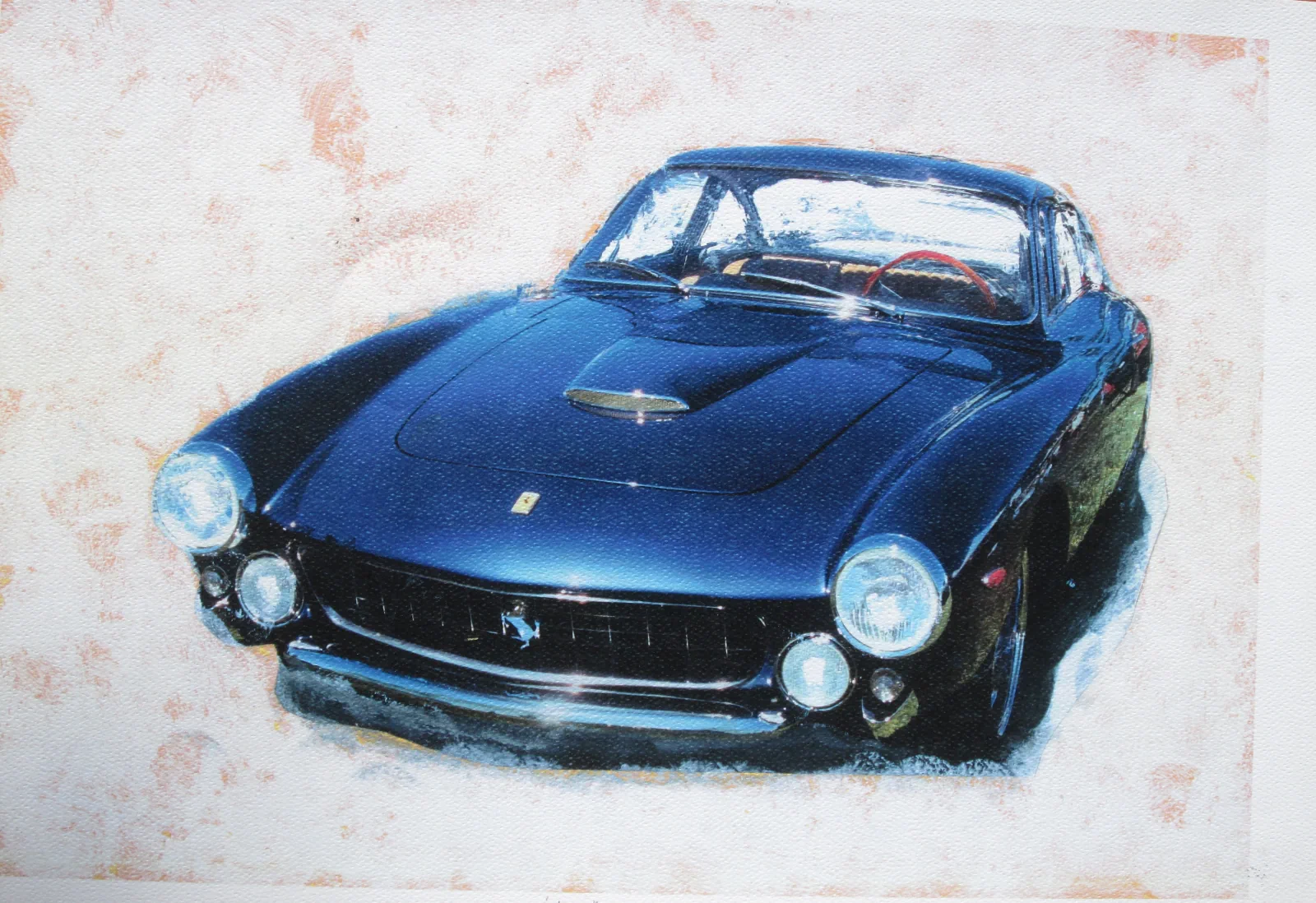
Nose and stance
This view often shows the face of the car alongside its length and stance. Try it when the nose, front wheel, or body line is part of the attraction.
The portrait guide
Front three-quarter is the most common view I am asked to paint. It is a good starting point, but the profile or rear may show what you like most about your car. Here is how I weigh the options.
Begin your inquiry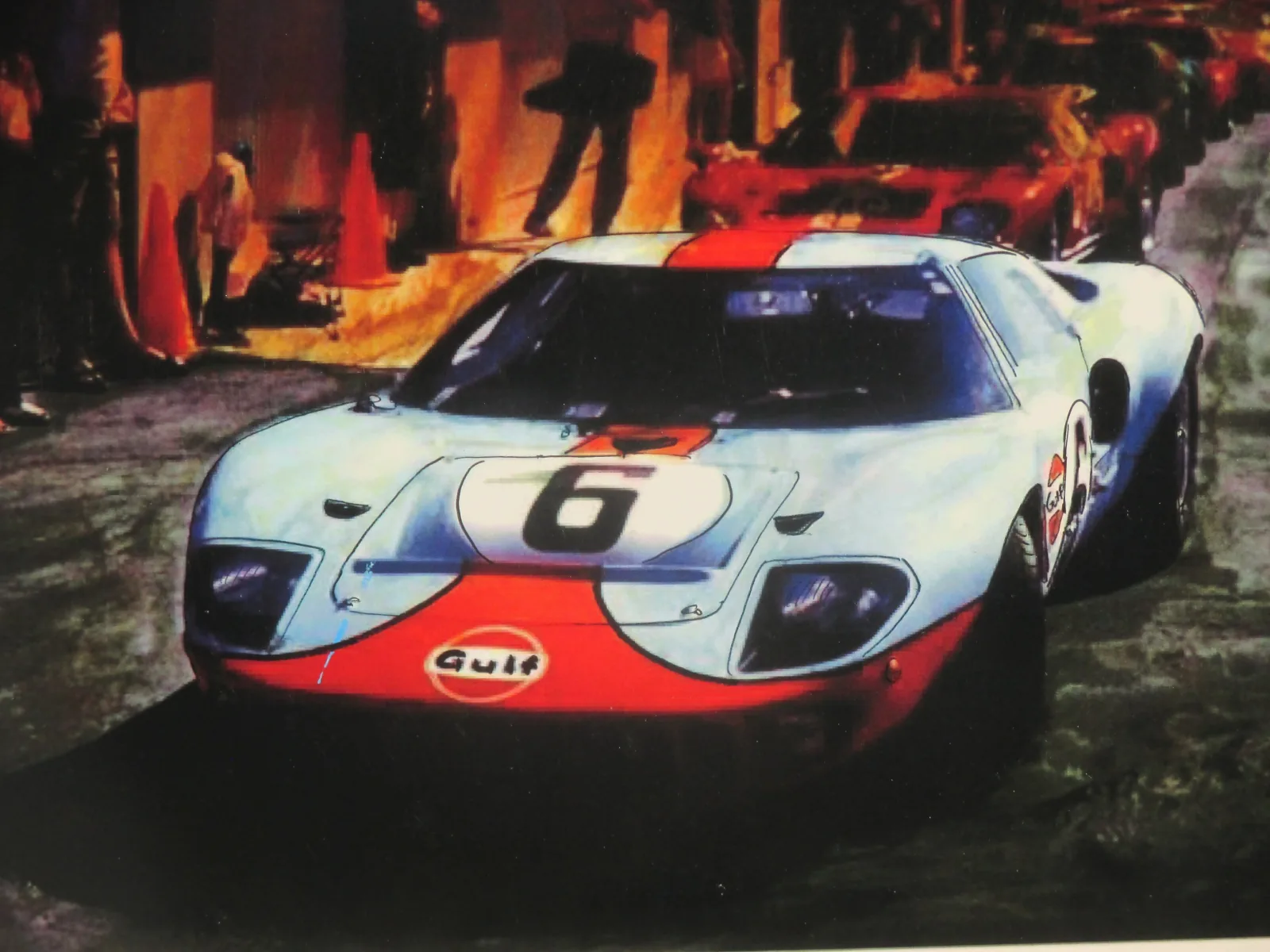
Choosing a reference
The photograph you like best is not always the one that will make the best painting. I suggest comparing several views before settling on the reference.
If you can, enlarge a few candidates to roughly the size of the finished work and put them where it will hang. Give each one a day. The picture you keep coming back to is a good candidate.
Read Wallace's published angle guideCompare the views
A front three-quarter view shows the nose and much of the body. Rear three-quarter is another frequent choice. A side view can tell the whole story of a car, though it can also feel still.
This view often shows the face of the car alongside its length and stance. Try it when the nose, front wheel, or body line is part of the attraction.
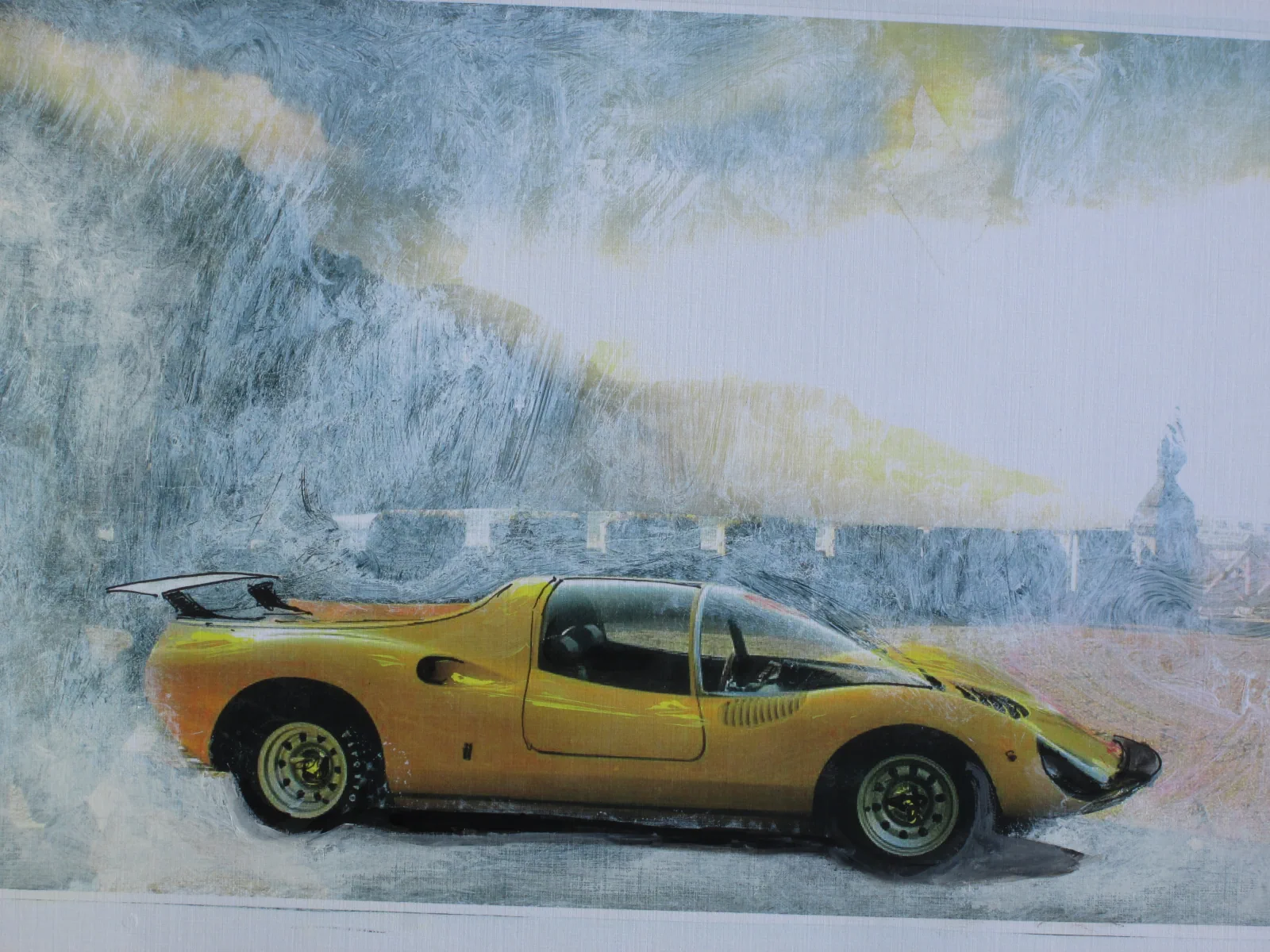
A profile lets the roofline and proportions speak clearly. It can be especially useful when coachwork, a long hood, or a distinctive taper defines the car.
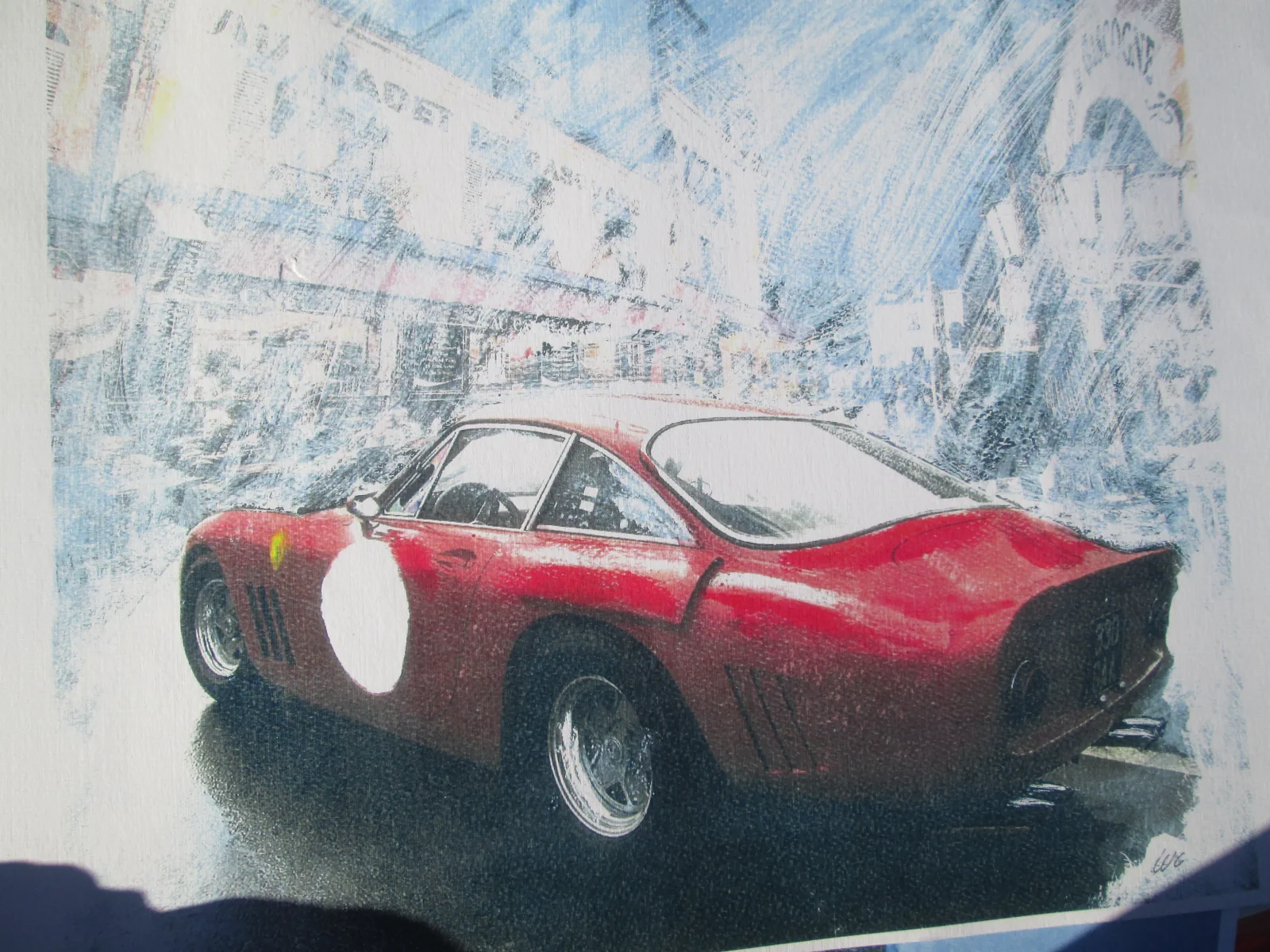
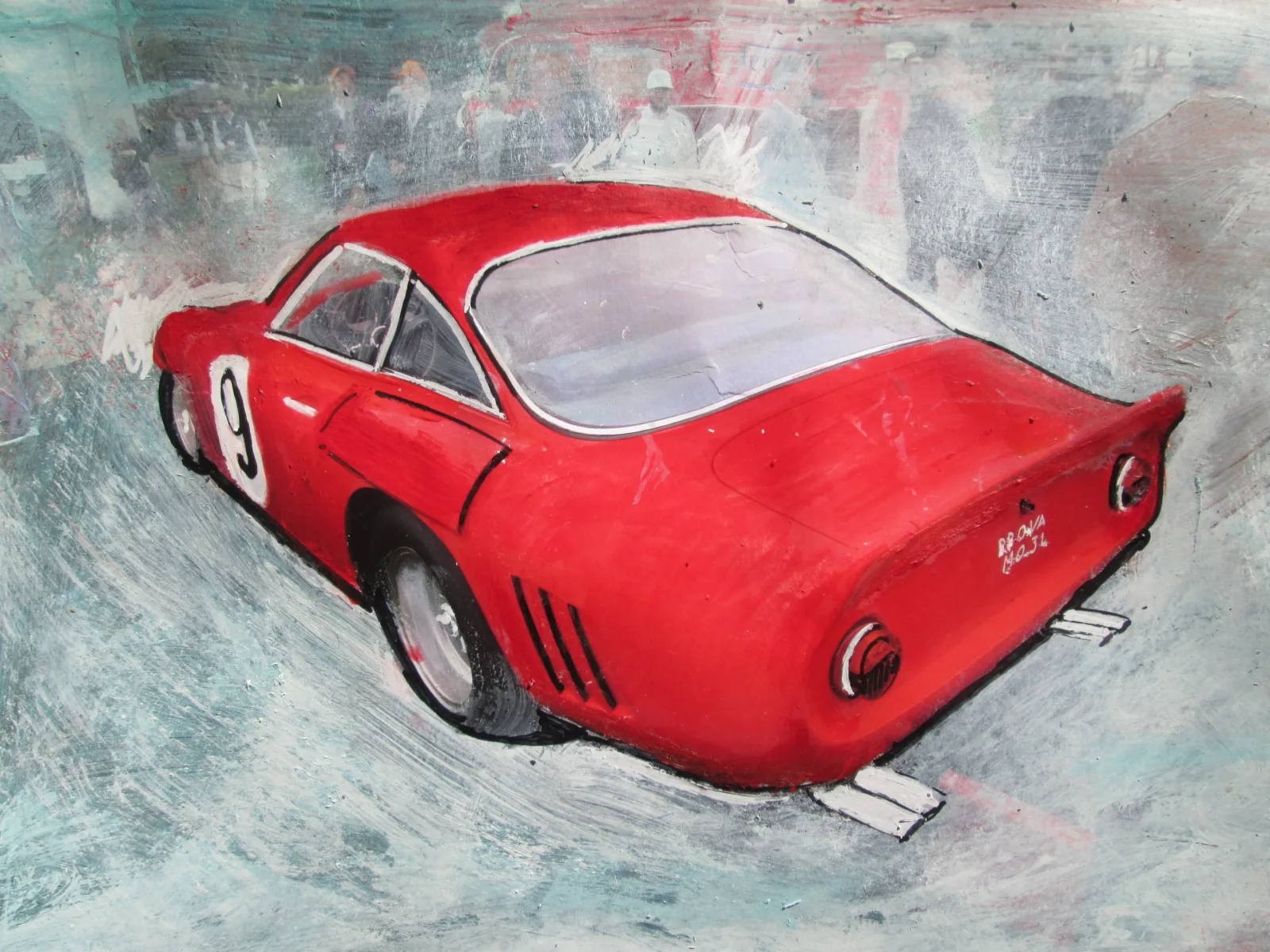
The rear view can highlight haunches, lamps, vents, or the view you know from watching the car leave a bend. For some cars, that is the unmistakable angle.
What to gather
Photograph the actual car from more than one angle, if you can. The inquiry form accepts up to five reference photos. You can discuss the final view before any artwork is agreed.
Ready to talk?
Share the story and the view you are considering. The first message is simply a starting point.
Connection lost
Reconnecting
Something went wrong
Reconnecting